
Sinking Spring Cemetery: A Quiet Piece of Abingdon's History
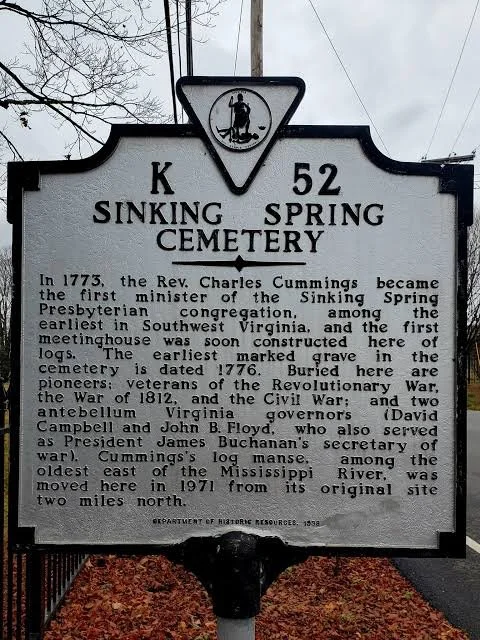
Not every piece of Abingdon's history announces itself with a marquee or a museum wing. Some of it sits quietly behind wrought iron fencing on Main Street, in a cemetery old enough to predate most of the buildings downtown. Sinking Spring Cemetery is one of those places, and it rewards the kind of visitor willing to slow down and read the stones.
The Oldest Church Ground West of the Blue Ridge
Sinking Spring's significance goes back to its origins as the site of the first established church on the western waters of the Virginia colony. The Sinking Spring Presbyterian Church congregation formed here in 1773, and the burial ground that grew up around it has been in continuous use ever since. That makes this one of the oldest cemeteries in the entire region, predating the town's formal incorporation and stretching back into the earliest years of European settlement west of the Blue Ridge.
More than 3,000 burials rest here, a number that becomes more striking once you start walking the older sections and realize how many of the names belong to people who actually shaped this town. Two Virginia governors are buried at Sinking Spring, along with at least nine veterans of the Revolutionary War. Given Abingdon's role as the gathering point for the Overmountain Men before their march to the Battle of Kings Mountain, it makes sense that so many Revolutionary-era figures would eventually be laid to rest here.
The cemetery's name comes from a natural spring on the property that appears to sink into the ground rather than flow visibly across it, a small but distinctive geological feature that gave both the church and the burial ground their name. That spring, along with the surrounding land, made this an obvious gathering point for the earliest congregations in the area, well before Abingdon existed in any formal sense as a town.
Walking through the grounds today, you'll notice how the styles of the headstones shift as you move through different sections, from simple, weathered fieldstone markers in the oldest areas to more elaborate Victorian-era monuments in later sections. That progression is its own kind of historical record, tracking not just who is buried here but how burial customs, and the wealth of the families doing the burying, changed over two centuries.
Walking the Grounds
There's no formal tour required to visit Sinking Spring. The cemetery sits right on Main Street, an easy addition to a downtown walk, and the older sections toward the back reward some patience. Many of the stones have worn down over two centuries of weather, and reading the names and dates is part of the experience. Local historical groups occasionally lead guided walks through the cemetery, often timed around events like the Virginia Highlands Festival, so it's worth checking what might be happening during your visit.
This is not a stop that takes long, maybe twenty to thirty minutes if you're moving at a normal pace, longer if you like to linger over old headstones. What it offers instead of length is a different texture of history than the theaters and museums downtown. Where the Barter Theatre and William King Museum tell you about Abingdon's cultural life, Sinking Spring tells you about the people who actually lived and died building the town in the first place.
If you're interested in genealogy or local family history, Sinking Spring is worth extra time. A number of the founding families connected to Abingdon's early development, including families tied to the nearby Fields-Penn property, have burial plots here, and the cemetery has drawn researchers for generations trying to trace connections between the names on these stones and the broader story of Southwest Virginia's settlement.
The Best Time of Year to Visit
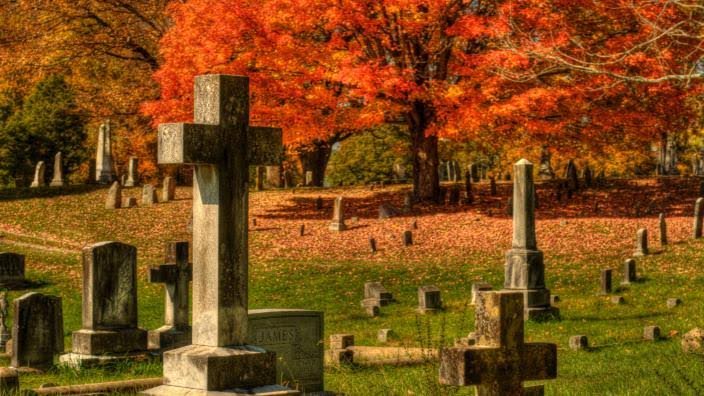
Fall tends to be the most atmospheric season to walk Sinking Spring, when the older trees on the property turn color and the light filters through in a way that suits the setting. Spring brings its own appeal, with the grounds green and quiet before the summer festival crowds arrive downtown. Because the cemetery is outdoors and largely unshaded in sections, summer visits are best done in the morning or early evening to avoid the heat of a Southwest Virginia afternoon.
Fitting It Into a Downtown Walk
Sinking Spring's location on Main Street makes it one of the easier historic stops to work into a broader day downtown. It sits close enough to the Barter Theatre and the shops along Main Street that you can pair a visit here with almost any other stop on your itinerary without adding much walking distance.
If you're staying at Moore on Main, also on East Main Street, the cemetery is close enough to reach on foot in a few minutes, which makes it easy to fit in either before a morning of sightseeing or as a quieter stop in the late afternoon, when the light through the older trees tends to be at its best.
A Good Pause Before or After a Meal
A visit to a historic cemetery isn't the obvious lead-in to a meal, but the pacing actually works well. Sinking Spring tends to slow visitors down, and that slower rhythm carries nicely into a relaxed lunch or dinner afterward. Dawn & Dusk, the restaurant at Moore on Main, sits close enough downtown that it's an easy next stop after a walk through the cemetery grounds, especially if you're looking to sit somewhere quiet and talk through what you just saw. You can look at the menu ahead of time at mooreonmain.com/dawn-dusk.
Respecting the Space
As with any historic burial ground, a visit to Sinking Spring calls for a bit more care than a typical downtown stop. Stay on established paths where possible, avoid touching or leaning on older, more fragile headstones, and keep voices low, particularly if other visitors are there for a more personal reason, such as tracing family history or visiting a specific grave. The cemetery remains an active part of the church community, not solely a historical attraction, and treating it with that in mind makes for a more respectful and, honestly, more meaningful visit.
Why It's Worth the Detour
Cemeteries don't always make it onto a visitor's list of things to do, but Sinking Spring is different. This isn't a stop for morbid curiosity. It's a direct, physical connection to the people who founded this town, fought in its earliest wars, and eventually governed the state it became part of. Few places in Abingdon let you stand this close to that much layered history in one spot.
Give it the time it deserves. Sinking Spring isn't loud about what it holds, but for anyone genuinely interested in Abingdon's past, it might be the most honest history lesson in town.
